
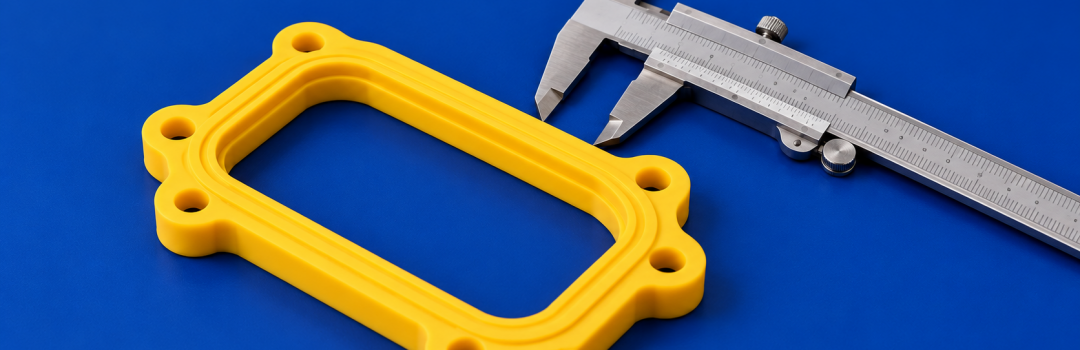
Moving a silicone rubber component from an initial concept to full-scale manufacturing involves more than finalizing a design. Material selection, functionality, and manufacturing requirements all need to work together. Silicone rubber prototyping gives manufacturers an opportunity to evaluate these details, make adjustments, and address potential issues before moving into production.
Understanding What a Silicone Rubber Prototype Needs to Accomplish
Before developing a prototype, manufacturers need to understand how the finished component will be used. A design may look complete on paper, but the intended application can introduce requirements that are not immediately apparent from its dimensions or appearance.
For example, a silicone component may need to remain flexible across temperature changes, maintain a specific shape, or fit within a larger assembly. Other applications may involve exposure to weather, moisture, or chemicals. These conditions can influence both the material formulation and the design.
At Reiss, our prototyping process focuses on understanding the customer’s requirements and the functionality expected from the finished product. Before development begins, customers should consider:
- What function will the component perform?
- What physical properties are required?
- Will it encounter temperature changes or environmental exposure?
- Does it need to fit or interact with other components?
- How will the finished component be manufactured?
Answering these questions early helps establish a clearer direction for prototype development and identifies areas that may need additional evaluation.
Choosing the Right Silicone Rubber Material
Material selection is a key part of silicone rubber prototyping because different formulations are designed for different physical and environmental requirements. Silicone is known for its temperature performance, flexibility, and resistance to weathering and ozone. However, not every silicone compound offers identical properties. The formulation should reflect the conditions the finished component will encounter.
Our custom compounding capabilities let us work with customers to develop silicone formulations that meet specific physical requirements. We specialize in mixing custom silicone and fluorosilicone compounds, allowing us to consider material performance alongside component design.
Hardness, Flexibility, and Physical Requirements
A silicone component’s hardness and flexibility can affect its performance. A seal, for example, may have different physical requirements than a molded component designed to maintain a particular shape.
These characteristics should be considered during prototype development rather than after the design is finalized. Our material expertise allows us to work with customers to define specifications that align with the component’s intended function.
Temperature and Environmental Conditions
The environment surrounding the finished part can also influence material selection. Elevated temperatures, changing weather conditions, moisture, and contact with chemicals or fluids may all need to be considered.
While silicone offers useful properties for demanding environments, the appropriate formulation depends on the application. Reviewing these conditions during prototyping helps determine which material characteristics need to be evaluated before production.
Reviewing the Design Before Production
A silicone rubber prototype needs to account for both functionality and manufacturability. Even when a component meets its intended purpose, certain design features may need adjustment to better align with the manufacturing process.
Part geometry, dimensions, and material requirements can all influence how the finished component is produced. Our design assistance services help customers translate product concepts into detailed designs while considering these practical requirements.
CAD Software and 3D Modeling
Our design assistance capabilities include CAD software and 3D modeling techniques that support silicone component development. These tools help customers evaluate design features and refine component geometry before moving further into physical prototyping. They also provide an opportunity to identify potential concerns related to functionality or manufacturability.
Design Adjustments and Cost-Efficiency
Refining a prototype is a normal part of product development. A feature that works in an initial design may need adjustment once material behavior or manufacturing requirements are considered.
Our approach to design optimization focuses on functionality and cost-efficiency. By reviewing these factors during development, we work with customers to address potential issues before moving into full-scale manufacturing.
Testing and Refining Silicone Rubber Prototypes
Creating a prototype is only part of the development process. Testing and refinement help determine whether the design meets the functional requirements established for the finished component. At Reiss Manufacturing, iterative testing is part of our silicone prototyping services. The specific testing considerations depend on the application. During this process, customers will need to review whether the prototype meets its intended design and functionality requirements, and whether the geometry aligns with any complementary components.
We work with customers to create, test, and refine prototypes as the design is evaluated. Our collaborative approach allows findings from the prototyping process to guide design adjustments before production begins.
Preparing for the Transition Into Full-Scale Production
A silicone rubber prototype should be developed with the intended manufacturing process in mind. The techniques used to create an initial prototype may differ from those used to manufacture the finished component.
While our prototyping capabilities utilize CAD software and 3D modeling, our broader silicone manufacturing capabilities include molding, extrusion, calendering, and secondary fabrication.
The appropriate process depends on the component’s geometry, material requirements, and intended application. For example, a molded component may have different design considerations than an extruded profile, tubing, or silicone sheeting.
Before approving a prototype for production, the customer and manufacturer should work together to review several important details:
- Material selection: Does the silicone formulation align with the application’s requirements?
- Functionality: Has the prototype been evaluated against its intended function?
- Design specifications: Do the geometry and dimensions reflect the finished component’s requirements?
- Manufacturing method: Is the design appropriate for the intended production process?
- Prototype refinement: Have identified design concerns been addressed?
Reviewing these details helps bring material selection, component design, and manufacturing requirements together before moving into production.
How We Support Silicone Rubber Prototyping
At Reiss Manufacturing, we combine material expertise, design assistance, and manufacturing capabilities to support silicone rubber product development. Our prototyping services include rapid prototyping techniques such as CAD software, 3D modeling, design optimization, and iterative testing. We use these capabilities to work directly with customers to develop and refine silicone prototypes to their specifications.
Our experience with custom silicone compounding also allows us to address material requirements during development. When a component is ready to move toward production, our molding, extrusion, calendering, and fabrication capabilities provide manufacturing options for different types of silicone products. Our prototyping and manufacturing processes follow ISO 9001 quality standards, with a focus on meeting customer requirements throughout development.
By considering material selection, design, and manufacturability together, we help customers prepare their silicone components for the next stage of production.
Start Your Silicone Rubber Project With Reiss Manufacturing
Whether a project begins with an initial concept, a detailed drawing, or an existing design that needs refinement, our team at Reiss Manufacturing can help evaluate the requirements.
We work closely with customers to develop silicone prototypes, review material and design considerations, and align our manufacturing capabilities with their production needs.
If you have a silicone rubber component in development, contact Reiss Manufacturing to request a quote. Our team can review your project and discuss the prototyping and manufacturing options available.
Silicone Rubber Prototyping FAQs
Silicone rubber prototyping involves creating and evaluating an initial silicone component before full-scale production. It helps customers review functionality, material requirements, and component design.
Yes. We offer silicone prototyping and design assistance services that include creating, testing, and refining prototypes in collaboration with customers.
Our prototyping capabilities include CAD software and 3D modeling techniques.
Yes. Our design assistance services help customers turn initial concepts into detailed designs while considering functionality, manufacturability, and cost-efficiency.
Material selection depends on the component's physical and environmental requirements, including hardness, flexibility, temperature exposure, and intended use.
Yes. Iterative testing is part of our prototyping process. We work with customers to evaluate and refine prototypes based on their functional and design requirements.
Yes, once a prototype is approved for production, we offer silicone manufacturing capabilities, including molding, extrusion, calendering, and secondary fabrication.
Customers should review material selection, functionality, component dimensions, design specifications, testing findings, and compatibility with the intended manufacturing process.
